LEARN YOUR WAY: IN-CLASS┃HYBRID┃ONLINE
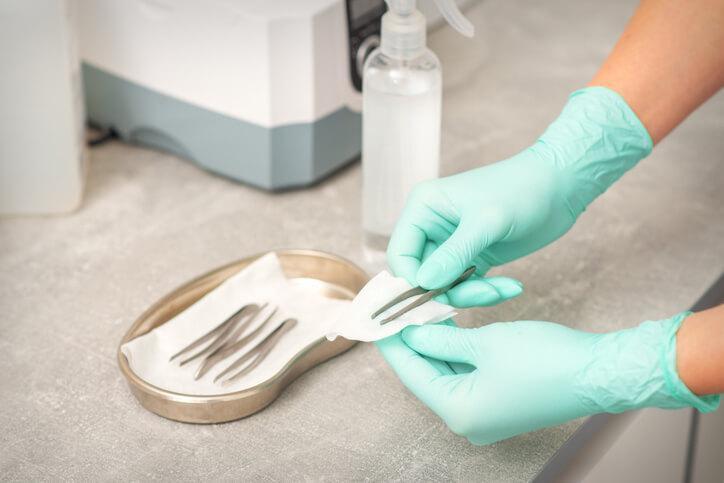
Strong infection control in medical esthetics protects both clients and practitioners during treatments. Students learn sanitation procedures, sterilization methods, hygiene standards, and safety protocols that support professional and compliant esthetic practice.
Medical esthetics combines skincare knowledge with hands-on treatments that often involve direct contact with a client’s skin, tools, and treatment surfaces. Because of this, cleanliness and safety are essential parts of professional practice.
That is why infection control in medical esthetics is such an important part of training. From disinfecting treatment areas to handling tools properly, students must learn how to reduce contamination risks and maintain safe environments for every client.
For future professionals, understanding hygiene standards and safety procedures helps build both technical confidence and client trust.
What Is Infection Control in Medical Esthetics?
Infection control refers to the procedures used to prevent the spread of bacteria, viruses, fungi, and other harmful contaminants during esthetic treatments.
These procedures include:
- Hand hygiene
- Equipment cleaning
- Surface disinfection
- Proper disposal of single-use items
- Safe storage of tools and products
- Use of personal protective equipment when necessary
Strong medical esthetician safety protocols help reduce the risk of cross-contamination, protecting both clients and practitioners while supporting the professional standards expected in the esthetics industry.
Whether performing facials, waxing, advanced skincare procedures, or other services, estheticians must maintain consistent hygiene practices throughout every appointment.
Sanitization vs Sterilization
What is the difference between sanitization and sterilization? Although these terms are often used interchangeably, they are not the same.
Sanitization reduces the number of germs on surfaces to safer levels through cleaning and disinfecting procedures. This process is commonly used for treatment chairs, counters, and workstations.
Sterilization in esthetics, however, is a more advanced process that destroys all forms of microbial life on tools and equipment. Instruments that come into close contact with skin or bodily fluids may require sterilization depending on the treatment being performed.
Understanding this distinction is essential because different tools and procedures require different levels of cleaning and disinfection.
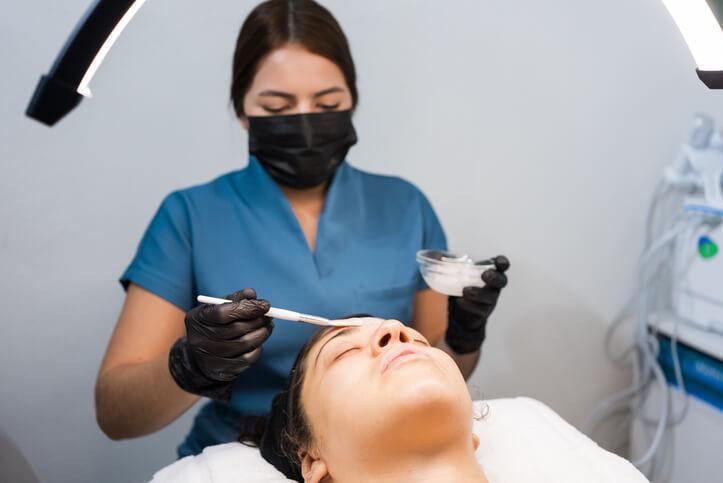
Medical estheticians follow strict hygiene and protective equipment protocols during treatments
Why Hygiene Matters During Treatments
Why is hygiene critical in esthetic treatments? Clients trust estheticians to provide treatments in safe and sanitary environments. Poor hygiene practices can increase the risk of skin irritation, infection, or contamination.
Professional esthetician hygiene standards help protect client and practitioner health while also supporting the reputation, credibility, and professionalism expected in the industry. Hygiene also plays a role in treatment quality. Clean tools, organized workstations, and proper sanitation procedures contribute to a more professional client experience overall.
In many cases, clients judge professionalism based on how carefully safety and cleanliness are maintained throughout the appointment.
Common Safety Protocols in Medical Esthetics
What safety protocols do medical estheticians follow? Medical estheticians follow a wide range of safety procedures before, during, and after treatments. These may include:
- Washing and sanitizing hands before each service
- Wearing gloves during certain procedures
- Disinfecting treatment surfaces between clients
- Properly storing sanitized equipment
- Following the manufacturer's instructions for products and devices
- Conducting client consultations and skin assessments beforehand
As discussed in our guide on client consultation basics, understanding a client’s skin condition, sensitivities, and medical history also supports safer treatment planning. Together, these procedures form the foundation of professional medical esthetician safety protocols.
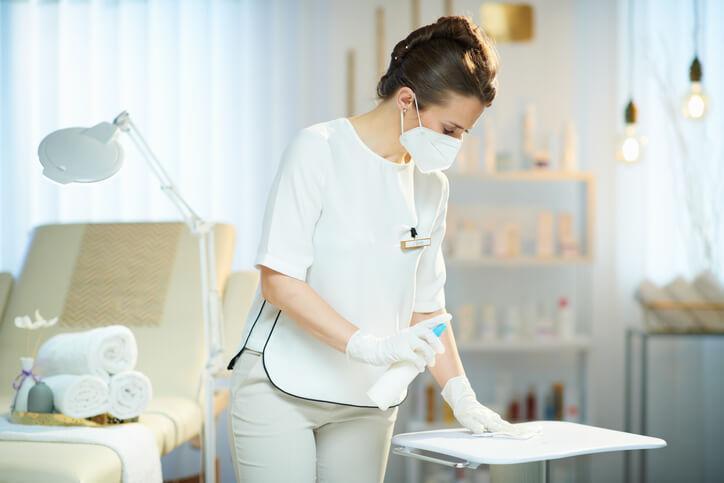
Treatment rooms and equipment must be cleaned thoroughly between client appointments
How Training Prepares Students for Safe Practice
Do medical esthetician programs include safety training? Yes. Comprehensive esthetics programs include instruction on infection prevention, hygiene standards, equipment handling, and treatment room safety.
Within a strong Medical Esthetician program, students learn how to maintain sanitary work environments while practicing proper treatment procedures, professionalism, communication, and client consultation skills under supervision. Programs also help students understand why compliance matters in real workplace settings. Employers expect estheticians to follow strict cleanliness standards consistently and professionally.
As highlighted in our guide on the benefits of completing a well-rounded medical esthetician program, technical skills are only one part of career preparation. Professional safety practices are equally important for long-term success in the field.
How Training Prepares Students for Safe Practice
Infection control is not only about meeting safety requirements but also about building client trust. Clients are more likely to feel comfortable and confident when they see organized treatment areas, clean equipment, and consistent hygiene practices.
For future estheticians, mastering infection control in medical esthetics supports both client safety and professional credibility. As treatments and technologies continue evolving within the esthetics industry, strong safety habits remain one of the most important foundations of quality care.
Are you looking for a comprehensive Medical Esthetician program?
Contact ACA for more information.
Key Takeaways
- Infection control in medical esthetics helps prevent contamination, protect clients and practitioners, and maintain professional industry standards
- Sanitization and sterilization in esthetics involve different cleaning processes
- Strong hygiene practices support both treatment quality and professionalism
- Estheticians follow strict safety protocols before, during, and after treatments
- Comprehensive training programs include infection prevention and workplace safety education
FAQ:
What is infection control in medical esthetics?
It refers to procedures that help prevent contamination and the spread of harmful microorganisms during treatments.
What is the difference between sanitization and sterilization?
Sanitization reduces germs to safer levels, while sterilization destroys all microbial life on tools and equipment.
Why is hygiene critical in esthetic treatments?
Proper hygiene helps protect both clients and practitioners from irritation, contamination, and infection while maintaining professional standards.
Why is infection control especially important during advanced esthetic treatments?
Infection control becomes even more important during advanced treatments that may involve compromised skin barriers or more invasive procedures, as these services can increase the risk of irritation, contamination, or infection if proper safety protocols are not followed.
What safety protocols do medical estheticians follow?
Protocols include hand hygiene, equipment disinfection, glove use, safe storage practices, and client assessments.
Do medical esthetician programs include safety training?
Yes, professional programs include instruction on sanitation, sterilization, infection prevention, and workplace safety.