LEARN YOUR WAY: IN-CLASS┃HYBRID┃ONLINE

Medical office assistant telehealth has expanded the way healthcare is delivered, and medical office assistants play a crucial role in making virtual clinics successful. From scheduling to documentation and patient support, telehealth creates new career opportunities for MOAs.
Healthcare delivery has undergone rapid changes in recent years, with virtual appointments becoming a permanent fixture in patient care. This shift has created new responsibilities and new opportunities for those entering healthcare administration. Medical office assistant telehealth roles now support everything from virtual scheduling to patient onboarding and digital documentation.
For students completing medical office assistant training, telehealth expands where and how they can work. In this article, we’ll explore how MOAs support virtual clinics, what telehealth tasks they perform, and why telehealth is becoming an important career pathway for MOA graduates.
How Does a Medical Office Assistant Support Telehealth and Virtual Clinics?
Medical office assistants act as the operational backbone of virtual care. They coordinate appointments, manage digital records, and ensure patients are prepared for their virtual visits.
In real healthcare environments, MOAs help patients navigate telehealth platforms, confirm consent, and troubleshoot basic technical issues. Their role ensures providers can focus on care while virtual clinics run smoothly behind the scenes.
What Telehealth Tasks Can a Medical Office Assistant Perform in a Virtual Clinic?
Telehealth tasks often mirror in-clinic responsibilities but are delivered digitally. These include scheduling virtual appointments, verifying patient information, preparing digital charts, documenting visit notes, and coordinating follow-up care.
MOAs may also assist with billing processes, insurance verification, and secure communication between patients and providers. As virtual clinics grow, these tasks are becoming standard expectations in many healthcare settings.
Can Medical Office Assistant Training Prepare Graduates for Telehealth Roles?
Yes. Modern MOA training programs include instruction in electronic health records, digital scheduling systems, privacy compliance, and professional communication. Skills that translate directly to telehealth environments.
Through a Medical Office Assistant Program, students learn how to manage documentation, workflows, and patient communication using digital tools. This foundation prepares graduates to adapt confidently to both in-person and virtual clinic settings.
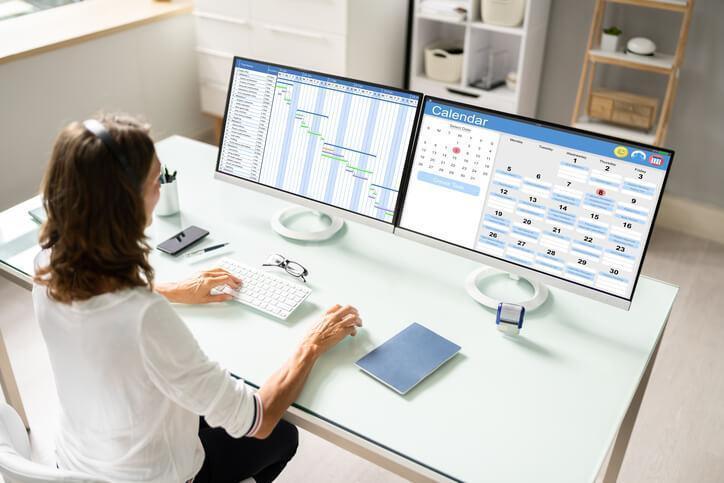
Virtual clinics rely on medical office assistants' telehealth skills for scheduling and coordination
Is Telehealth a Growing Career Opportunity for Medical Office Assistants?
Yes. Telehealth continues to expand as healthcare systems look for flexible, accessible ways to serve patients. According to Health Canada, virtual care plays a growing role in improving access to healthcare across Canada, particularly for rural and remote communities.
For MOAs, this growth translates into expanded job settings, including remote or hybrid roles. A strong medical office assistant career foundation allows graduates to move into telehealth roles that support evolving healthcare models.
Telehealth, Patient Experience, and Administrative Support
Telehealth relies heavily on patient experience. If technology is confusing or appointments aren’t well-coordinated, care can suffer. Medical office assistants play a critical role in guiding patients through the process, answering questions, and ensuring appointments start smoothly.
The Canadian Medical Association highlights that successful virtual care depends on effective administrative support, making the MOA role essential to telehealth success.
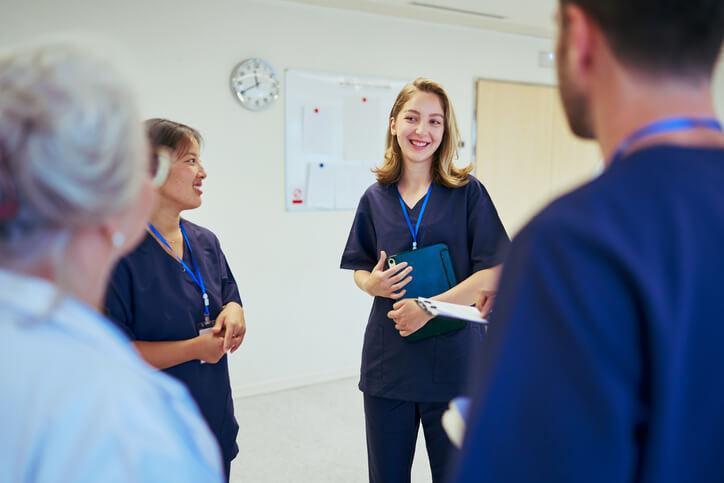
MOA training prepares graduates for documentation in telehealth settings
Preparing for Telehealth Through ACA’s Medical Office Assistant Program
Telehealth is not replacing in-person care, but it is reshaping healthcare delivery. Completing a Medical Office Assistant Program equips students with adaptable skills that apply across traditional clinics and virtual environments.
Algonquin Careers Academy’s Medical Office Assistant Program is designed to prepare students for the fast-paced realities of today’s medical and dental offices. Offered in both in-class and online distance education formats, the 33-week diploma includes a four-week full-time clinical placement.
Throughout the program, students develop a strong foundation in medical terminology, office procedures, patient communication, and electronic medical records, including hands-on training with ABLEMed and ABLEDent software. Approved under the Ontario Career Colleges Act, 2005, the program equips graduates with the practical skills and confidence needed to support healthcare teams across clinics, dental practices, hospitals, and community care environments.
Are you looking for comprehensive MOA training?
Contact ACA for more information.
Key Takeaways
- Telehealth creates new roles for medical office assistants
- MOAs support scheduling, documentation, and patient tech needs
- Training prepares graduates for both virtual and in-person clinics
- Telehealth expands career flexibility and opportunity
FAQ: Medical Office Assistant Telehealth Roles
How does a medical office assistant support telehealth and virtual clinics?
Medical office assistants act as the operational backbone of virtual care. They coordinate appointments, manage digital records, and ensure patients are prepared for their virtual visits.
Can medical office assistant training prepare graduates for telehealth roles?
Yes. Modern MOA training programs include instruction in electronic health records, digital scheduling systems, privacy compliance, and professional communication.
What telehealth tasks can a medical office assistant perform in a virtual clinic?
Telehealth tasks often mirror in-clinic responsibilities but are delivered digitally. These include scheduling virtual appointments, verifying patient information, preparing digital charts, documenting visit notes, and coordinating follow-up care.
Is telehealth a growing career opportunity for medical office assistants?
Yes. Telehealth continues to expand as healthcare systems look for flexible, accessible ways to serve patients. According to Health Canada, virtual care plays a growing role in improving access to healthcare across Canada, particularly for rural and remote communities.