LEARN YOUR WAY: IN-CLASS┃HYBRID┃ONLINE

Exploring Pharmacy Technician Work Settings In Summary
There are many pharmacy technician work settings, each offering unique responsibilities and learning opportunities. Whether working as a community pharmacy technician, a hospital pharmacy technician, or supporting residents in long-term care, pharmacy technicians help ensure medications are prepared, managed, and dispensed safely. Comprehensive training gives graduates the skills needed to adapt confidently to different healthcare environments.
When people picture a pharmacy technician, they often imagine someone working behind the counter at a neighbourhood pharmacy. While community pharmacies remain one of the most common workplaces, they're only one of several career options available after graduation.
Today's pharmacy technicians work in hospitals, long-term care facilities, specialty pharmacies, clinics, and other healthcare environments where medication safety is essential. Understanding the different pharmacy technician work settings can help prospective students choose a career path that matches their interests, strengths, and long-term goals.
Where Can Pharmacy Technicians Work?
One of the advantages of becoming a pharmacy technician is the variety of workplaces available throughout the healthcare system.
Common places where pharmacy technicians work include:
- Community pharmacies
- Hospitals
- Long-term care facilities
- Specialty pharmacies
- Compounding pharmacies
- Outpatient clinics
- Healthcare organizations
Although the core responsibility, supporting safe medication preparation and distribution, remains consistent, each environment offers its own pace, patient interactions, and daily workflow.
Students enrolled in the Pharmacy Technician program at Algonquin Careers Academy build practical skills that prepare them for a range of professional settings.
What Is the Difference Between Community and Hospital Pharmacy Settings?
Many students compare community and hospital pharmacy roles when considering their future careers.
A community pharmacy technician typically works directly with patients by:
- Processing prescriptions
- Preparing medications
- Managing inventory
- Communicating with pharmacists and healthcare providers
- Answering administrative questions
- Supporting medication dispensing
Community pharmacies often involve regular interaction with patients, making communication and customer service especially valuable.
A hospital pharmacy technician, on the other hand, generally works within a larger healthcare team. Responsibilities may include:
- Preparing medications for inpatient care
- Assisting with sterile product preparation
- Managing medication inventory for hospital departments
- Supporting medication distribution systems
- Maintaining accurate documentation
Hospital environments are often fast-paced and require close collaboration with pharmacists, physicians, and nursing staff.
What Is the Difference Between Community and Hospital Pharmacy Settings?
Yes. Long-term care is another important setting among today's pharmacy technician career paths.
Residents in long-term care facilities often take multiple medications, making accuracy and organization especially important. Pharmacy technicians may help prepare medication packages, manage inventory, verify medication records, and support timely delivery to care homes.
Although technicians may have less direct interaction with residents than in community pharmacies, their work plays an essential role in supporting safe medication management for older adults and individuals with ongoing healthcare needs.
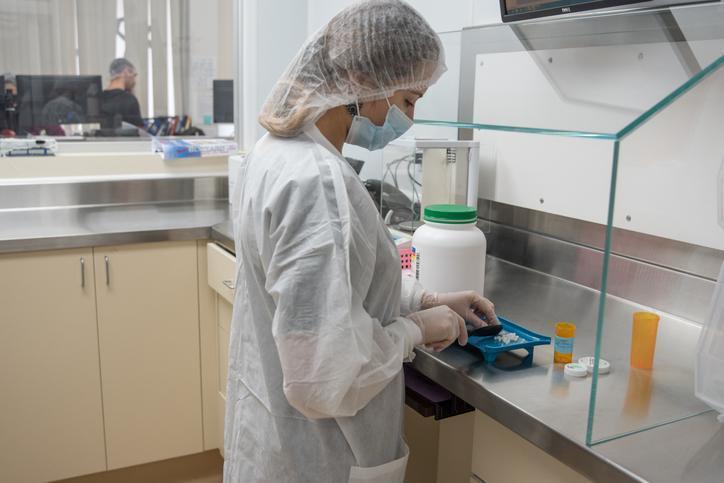
Different workplaces require both shared and specialized technical skills
Which Pharmacy Technician Work Setting Is Best for Beginners?
There is no single "best" workplace for every graduate. The ideal setting depends on your interests, preferred work style, and career goals.
For example:
- If you enjoy interacting with patients every day, community pharmacy may be a good fit.
- If you're interested in working alongside larger healthcare teams, hospital pharmacy could be appealing.
- If you appreciate structured workflows and supporting ongoing patient care, long-term care may offer rewarding opportunities.
Many professionals also gain experience in one setting before exploring additional pharmacy technician career paths later in their careers.
How Does Pharmacy Technician Training Prepare Students for Different Workplaces?
Quality education focuses on developing transferable skills that apply across multiple healthcare environments.
During training, students commonly learn:
- Medication preparation procedures
- Pharmacy calculations
- Prescription processing
- Inventory management
- Professional communication
- Documentation practices
- Pharmacy legislation and ethics
- Patient safety principles
ACA’s Pharmacy Technician program has Full Accreditation from the Canadian Council for Accreditation of Pharmacy Programs (CCAPP) and includes practical placement experience arranged by Algonquin Careers Academy. These placements help students apply classroom learning in real pharmacy environments before graduation. Reviewing our Pharmacy Technician placement tips can help students make the most of these valuable experiences.
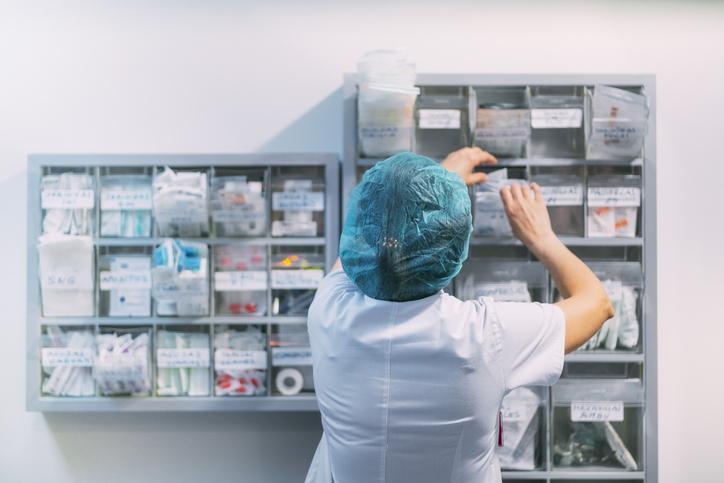
Pharmacy technicians contribute to safe and accurate medication management
Pharmacy Technician Work Settings: Building a Long-Term Healthcare Career
One of the strengths of the profession is its flexibility. Pharmacy technicians develop skills that remain valuable across many healthcare settings, allowing them to grow professionally while contributing to patient care.
Whether you begin as a community pharmacy technician or pursue opportunities as a hospital pharmacy technician, every workplace offers opportunities to strengthen technical expertise, collaborate with healthcare professionals, and support safe medication practices.
Students exploring healthcare training programs can benefit from understanding how different pharmacy environments operate before deciding which career direction best suits their goals.
Are you looking for a comprehensivePharmacy Technician program?
Contact ACA for more information.
Key Takeaways
- There are several pharmacy technician work settings, including community pharmacies, hospitals, long-term care facilities, and specialty pharmacy environments.
- A community pharmacy technician typically has more direct interaction with patients, while a hospital pharmacy technician often works closely with multidisciplinary healthcare teams.
- Long-term care facilities rely on pharmacy technicians to support accurate medication preparation and distribution.
- Comprehensive pharmacy technician training develops transferable skills that prepare graduates for a variety of professional environments.
- Exploring different pharmacy technician career paths helps students choose a workplace that aligns with their interests and long-term goals.
FAQ:
Where can pharmacy technicians work?
Pharmacy technicians work in community pharmacies, hospitals, long-term care facilities, specialty pharmacies, clinics, and other healthcare settings where medications are prepared and managed.
What is the difference between community and hospital pharmacy settings?
Community pharmacy technicians work directly with patients and support prescription dispensing, while hospital pharmacy technicians focus on preparing medications and supporting inpatient healthcare teams.
Do pharmacy technicians work in long-term care?
Yes. Pharmacy technicians help prepare, organize, and distribute medications that support residents in long-term care facilities.
Which pharmacy technician work setting is best for beginners?
The best setting depends on individual interests. Community pharmacies offer regular patient interaction, while hospitals and long-term care facilities provide different clinical and collaborative experiences.
How does pharmacy technician training prepare students for different workplaces?
Training develops medication preparation, prescription processing, communication, documentation, inventory management, and patient safety skills that apply across multiple pharmacy environments.