LEARN YOUR WAY: IN-CLASS┃HYBRID┃ONLINE

PSW long-term care vs home care is an important comparison for students deciding where they may want to work after training. Long-term care usually involves team-based support in a facility, while home care often involves one-on-one support in a client’s home. Both settings help PSWs build meaningful careers while supporting people with daily living, comfort, safety, and dignity.
PSW long-term care vs home care is one of the first career decisions many new Personal Support Workers consider after graduation. Both paths involve helping people with daily care needs, but the pace, environment, schedule, and level of independence can feel very different.
Understanding these differences can help students choose a work setting that fits their personality, strengths, and long-term goals.
What Is the Difference Between Home Care and Long-Term Care for PSWs?
Home care usually involves supporting one client at a time in a private residence, while long-term care involves supporting multiple residents in a facility as part of a larger healthcare team.
In long-term care, PSWs often help with bathing, dressing, mobility, meals, and comfort care for several residents during a shift. They may work closely with nurses, other PSWs, and recreation or dietary staff.
In home care, PSWs may travel between clients and provide support with personal care, light household tasks, meal preparation, companionship, and safety routines. Both settings involve compassionate care, but the daily structure can vary.
Where Do Personal Support Workers Earn More?
PSW earnings vary by province, employer, experience, union status, shift type, and work setting. Students comparing personal support worker work settings should avoid assuming that one environment always pays more. Some long-term care roles may offer structured schedules, shift premiums, or benefits, while some home care roles may offer flexible hours or travel-related policies.
Government labour market resources can help students compare wages by region before applying. However, pay is only one factor. Workload, schedule, commute time, support, and preferred care environment also matter when choosing between PSW home care vs nursing home roles.

Home care allows PSWs to support clients more independently in their own homes
Is Home Care More Flexible Than Long-Term Care?
Home care can be more flexible because PSWs may work with different client schedules, but flexibility depends on the employer and assigned caseload.
Some students like home care because it can offer variety and one-on-one client relationships. Others prefer long-term care because the workplace is consistent and support from team members is nearby.
Home care can require travel, independent decision-making, and strong communication with supervisors. Long-term care may involve a faster pace, more residents, and clear routines. Both are valuable PSW job environments in Canada, and each can help new workers develop confidence.
Are you thinking of a career in this role? Learn more about it in our guide on What do personal support workers do?
Which PSW Setting Is Better for Beginners?
The best PSW setting for beginners depends on whether the student prefers team support, routine, independence, flexibility, or one-on-one care.
Long-term care may feel helpful for beginners who want to learn from experienced team members throughout the shift. Home care may appeal to students who are comfortable working independently and building strong relationships with individual clients.
ACA’s strong Personal Support Worker program can help students prepare for both environments by developing hands-on care skills, communication, safety awareness, professionalism, and the interpersonal skills needed to support clients, families, and healthcare team members.
Can PSWs Switch Between Home Care and Long-Term Care?
Yes, PSWs can often move between home care and long-term care as they gain experience and clarify their career goals.
Skills such as safe transfers, personal care, observation, documentation, empathy, and communication are useful in both settings. Many graduates explore different career paths after PSW training before choosing the environment that fits them best.
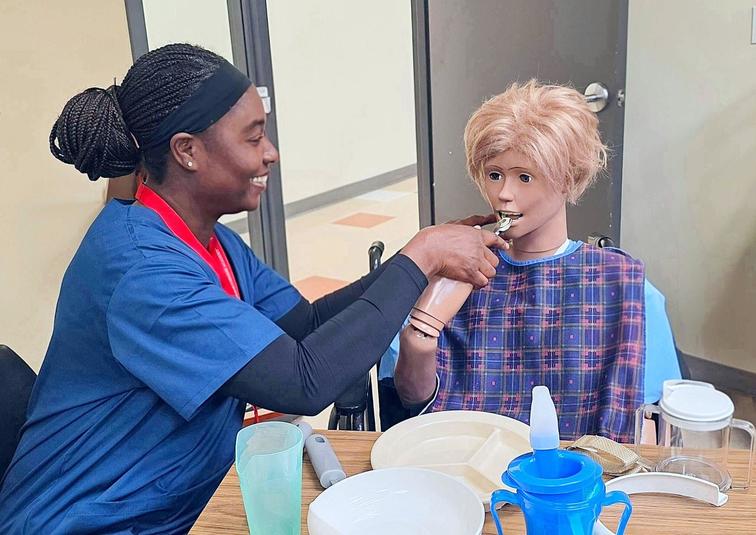
Training helps students prepare for different personal support worker work settings
PSW Long-Term Care vs Home Care: Choosing the PSW Path That Fits You
The right PSW setting depends on your work style and goals. If you enjoy teamwork, structure, and facility-based care, long-term care may be a strong fit. If you prefer one-on-one support, travel, and more independent routines, home care may be worth exploring. Both paths allow PSWs to make a meaningful difference in people’s lives.
Are you looking for a comprehensive Personal Support Worker program?
Contact ACA for more information.
Key Takeaways
- PSW long-term care vs home care compares two common care environments for graduates.
- Long-term care often involves facility-based teamwork and supporting multiple residents.
- Home care often involves one-on-one support in a client’s residence.
- Earnings vary by employer, location, experience, and schedule.
- PSWs can often move between settings as they gain experience.
- Training helps students prepare for different personal support worker work settings.
FAQ:
What Is the Difference Between Home Care and Long-Term Care for PSWs?
Home care usually involves supporting one client at a time in a private residence, while long-term care involves supporting multiple residents in a facility as part of a larger healthcare team.
Where Do Personal Support Workers Earn More?
PSW earnings vary by province, employer, experience, union status, shift type, and work setting.
Is Home Care More Flexible Than Long-Term Care?
Home care can be more flexible because PSWs may work with different client schedules, but flexibility depends on the employer and assigned caseload.
Which PSW Setting Is Better for Beginners?
The best PSW setting for beginners depends on whether the student prefers team support, routine, independence, flexibility, or one-on-one care.
Can PSWs Switch Between Home Care and Long-Term Care?
Yes, PSWs can often move between home care and long-term care as they gain experience and clarify their career goals.